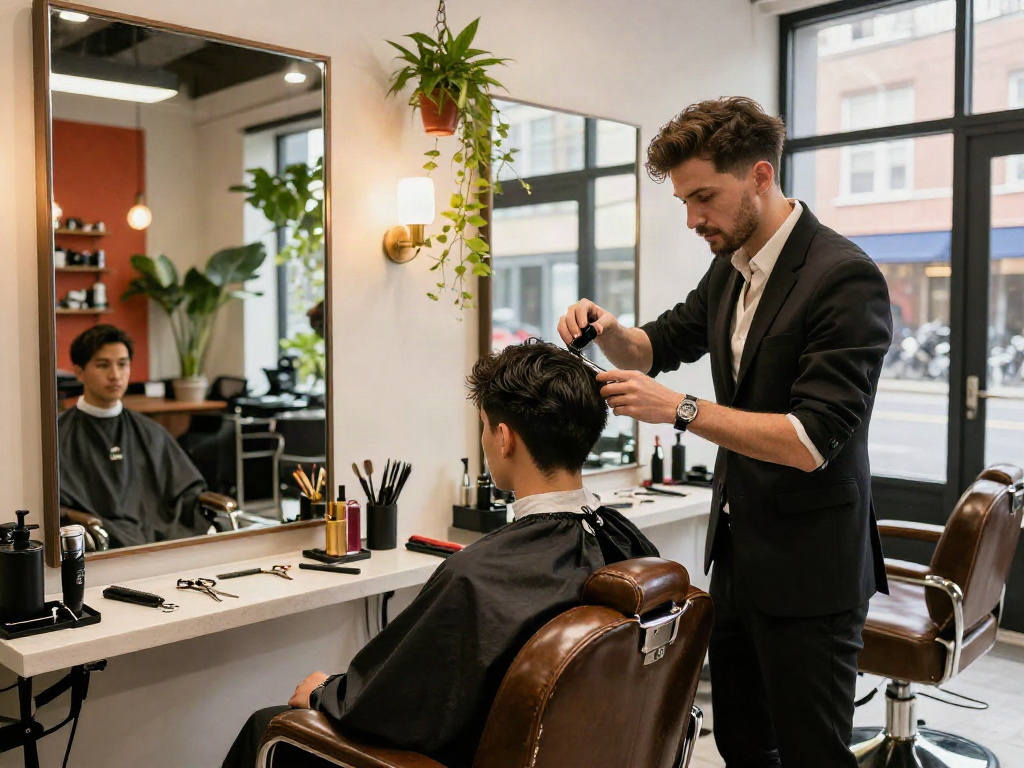
Understanding the Evolution of Hair Trends
The hairdressing industry has undergone significant transformations over the years, shaped by cultural, social, and technological influences. From the elaborate hairstyles of the Renaissance to today's sleek, pragmatic cuts, hair trends reflect broader societal changes and personal expression. This evolution continues to unfold as consumers increasingly seek styles that resonate with their identities and lifestyles. When exploring options, https://carbonegroupparrucchieri.it/ provides comprehensive insights into these trends and their historical contexts.
Historical Influences on Modern Styles
The historical context of hair trends is rich and varied, with each era contributing distinct styles. In ancient civilizations, hair often indicated social status and gender roles. For instance, in Ancient Egypt, both men and women adorned themselves with elaborate wigs and intricate braiding techniques. The Victorian era brought about a fascination with elaborate updos, while the punk movement of the 1980s introduced a more rebellious approach, favoring bold colors and unconventional cuts. Understanding these historical influences helps contemporary stylists draw inspiration and offer clients styles that reflect both personal preference and historical significance.
Current Trends Shaping the Industry
Today, the haircare industry is witnessing a blend of classic and contemporary influences. Natural textures and sustainability are becoming increasingly important, with clients opting for products that reflect a commitment to environmental responsibility. The resurgence of 90s hairstyles, along with modern twists on these looks, such as 'money piece' highlights and curtain bangs, continue to dominate salon requests. Additionally, the rise of the 'self-care' movement has shifted the focus towards personalized haircare regimens and treatments, emphasizing the importance of hair health alongside aesthetics.
Predictions for Styles in 2026 and Beyond
As we look toward 2026, several trends are expected to gain traction. We may anticipate a significant rise in the popularity of color treatments that incorporate technology, such as color-changing hair products that adapt to temperature or UV exposure. Furthermore, adventurous cuts that accentuate face shapes are likely to emerge, along with an increased demand for versatile styles that transition easily between professional settings and casual outings. Additionally, the influence of social media will continue to shape client desires, leading to more bespoke hair experiences.
Customer Preferences and Their Impact
Understanding customer preferences is critical for hair professionals to thrive in a competitive market. The demand for personalized experiences has never been higher, with clients expecting salons to cater to their unique needs and desires. A significant aspect of this is analyzing consumer behavior in hair services, where trends indicate a growing preference for tailored consultations and services that feel individualized.
Analyzing Consumer Behavior in Hair Services
Consumer behavior in the hair industry is rapidly evolving, with clients more informed than ever due to social media and digital resources. They seek stylists who not only understand the latest trends but can also translate these into styles that suit their personal aesthetics. Research shows that clients increasingly prioritize salons that offer comprehensive consultations, which play a vital role in ensuring satisfaction with their hairstyles.
Importance of Personalized Consultations
Personalized consultations allow stylists to connect with clients on a deeper level, fostering trust and loyalty. During these sessions, stylists can assess clients' hair types, face shapes, and lifestyle needs, enabling them to provide tailored advice and recommendations. This approach not only enhances customer satisfaction but also increases the likelihood of repeat business and referrals, essential for sustaining a successful salon.
How Social Media Influences Client Choices
Social media platforms have dramatically transformed how clients discover and choose hair services. Platforms like Instagram and TikTok are pivotal in shaping trends, with influencers and salons showcasing their work to a global audience. Many clients arrive at the salon with specific looks in mind, influenced by what they see online. This trend necessitates that hair professionals stay updated on social media currents and engage with their clients through curated content and online presence.
Best Practices for Hair Professionals
To thrive in the dynamic hairdressing landscape, professionals must adopt best practices that enhance their skills and client relationships. Focused training, effective communication, and innovative marketing strategies are foundational for any stylist aiming for excellence.
Techniques for Skill Enhancement and Training
Continuous education is vital in the hair industry, as trends and techniques evolve rapidly. Hair professionals should invest time in attending workshops, online courses, and trade shows. Skills such as advanced cutting techniques, color theory, and customer service are crucial to staying competitive. Additionally, being open to learning new technologies, such as virtual styling tools, can enhance a stylist's capability to meet client needs effectively.
Building a Strong Client Relationship
Establishing a strong rapport with clients is essential for retention and satisfaction. Effective communication, active listening, and showing genuine interest in their preferences foster a comfortable environment. Following up with clients post-appointment can create a lasting impression and build loyalty, proving that stylist-client relationships extend beyond the salon chair.
Effective Marketing Strategies for Hair Salons
Marketing strategies play a crucial role in the success of a salon. Utilizing social media effectively to showcase before-and-after transformations can attract new clientele. Additionally, offering promotions or loyalty programs can incentivize repeat visits. Collaboration with local businesses and influencers can also broaden reach, reinforcing the salon's reputation within the community.
Technology in Hairdressing: What to Expect
Technology is revolutionizing the hairdressing industry, providing tools that enhance both service delivery and client experience. As we move towards 2026, the integration of new technologies will likely become even more pronounced.
Latest Innovations in Hair Care Products
Innovative hair care products are on the rise, aimed at enhancing the overall health and appearance of hair. From personalized shampoos that cater to specific hair types to scalp treatments targeting hair loss, the variety and effectiveness of products are expanding. Notably, brands are now using artificial intelligence to offer customized solutions based on individual hair analysis.
Utilizing Booking Software for Client Management
Efficient client management is crucial for salons. Booking software has transformed how appointments are scheduled and managed. Features that allow for reminders, easy rescheduling, and payment processing enhance the overall client experience. Furthermore, analytics from booking systems can help salon owners understand peak times and client preferences, aiding in better staffing and service offerings.
Future Trends in Virtual Consultations
Virtual consultations are likely to become standard practice in the coming years. These online interactions allow clients to discuss their hair needs and seek advice from the comfort of their homes. This technological advancement can lead to increased client satisfaction and may even expand the salon's reach to clients who may not live nearby.
Challenges and How to Overcome Them
Despite the array of opportunities in the hair industry, challenges persist. Identifying these obstacles and developing strategies to overcome them is essential for any hair professional aiming to sustain success.
Common Obstacles Faced by Hair Professionals
Common challenges include high competition and fluctuating client demand. With many salons vying for attention, standing out requires a combination of exceptional service and effective marketing. Additionally, external factors, such as economic downturns or health crises, can impact client footfall, making it vital for salons to have adaptable business strategies.
Adapting to Changing Client Needs
Staying attuned to client preferences is essential. As the market evolves, so do the expectations of clients regarding services and experiences. Salon professionals must be flexible in their approaches, continually seeking feedback and observing trends to align their offerings with client desires.
Successful Case Studies of Overcoming Industry Challenges
Examining successful case studies can provide valuable insights for hair professionals. For example, some salons have successfully adopted a multi-disciplinary approach, offering hair services alongside wellness options like massages and skincare. This diversification not only attracts a broader clientele but also ensures sustainability even during economic downturns.
What are the top hair care trends for 2027?
Looking toward 2027, trends such as eco-friendly products and personalized services are likely to dominate. Clients will continue seeking ways to express their individuality through hair color and styles while prioritizing sustainability.
How can salon owners adapt to consumer preferences?
Salon owners must stay informed about changing trends and invest in training their staff to meet these new demands. Regularly engaging with clients through feedback and surveys can provide actionable insights into their evolving needs.
What technologies should hair professionals embrace?
Hair professionals should embrace technologies such as virtual consultation platforms and advanced booking systems. Staying ahead of product innovations can also offer clients the best in care and treatment options.
How do social media trends affect hair styling?
Social media trends significantly influence hair styling choices. Platforms like Instagram and TikTok allow clients to discover new styles and techniques quickly, which stylists can leverage to enhance their services.
What challenges are common in the hair industry today?
Common challenges in the hair industry include high competition, economic fluctuations, and changing consumer preferences. Addressing these requires adaptability and continuous learning for salon professionals.