
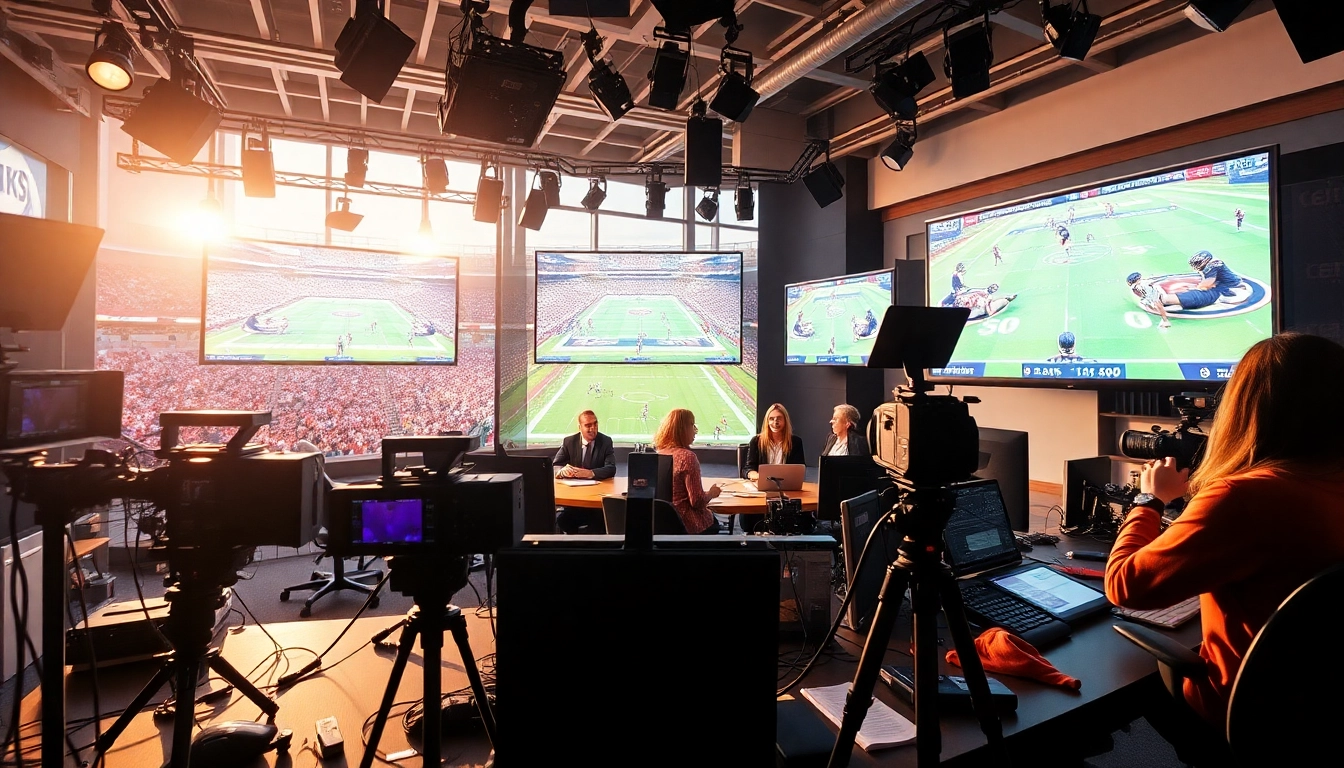
Understanding the Basics of Sports Broadcasting
Definition and Importance of Sports Broadcasting
Sports broadcasting is a specialized area within the media industry that involves the transmission of live sports events, analysis, and highlights to a wide audience through various platforms, from traditional television to online streaming services. It plays a pivotal role in society, providing fans with the opportunity to engage with their favorite sports, teams, and athletes, no matter their location. The importance of Sports Broadcasting extends beyond entertainment; it drives significant economic benefits, boosts tourism, and fosters a sense of community among viewers.
The Evolution of Sports Broadcasting
The journey of sports broadcasting is a fascinating tale of technological advancements and changing viewer preferences. From the early days of radio broadcasts in the 1920s to the advent of televised sports in the 1930s, each phase marked significant transformations in how audiences experienced sports. The introduction of color television and cable networks further revolutionized access, giving rise to major sports networks and dedicated channels. Recent developments have seen the rise of digital broadcasting, allowing content to be consumed on a multitude of devices, enhancing accessibility and engagement.
Key Players in the Sports Broadcasting Industry
The sports broadcasting landscape is populated by various key players, including networks, streaming platforms, production companies, and advertising agencies. Major television networks, such as ESPN and NBC Sports, hold significant rights to prominent sports leagues, while streaming services like Amazon Prime Video and DAZN are increasingly challenging traditional models. Additionally, production companies are crucial for creating engaging content, while advertising agencies link broadcasters with sponsors to generate revenue. Understanding this ecosystem is essential for grasping the dynamics of sports broadcasting today.
Emerging Technologies in Sports Broadcasting
Impact of AI and Analytics on Sports Broadcasting
Artificial Intelligence (AI) and data analytics have made profound impacts on the sports broadcasting industry. AI algorithms analyze vast amounts of data to provide insights that enhance viewer experiences, like player statistics and predictive analytics during live games. Analytics help networks tailor content to specific viewer segments, ensuring their broadcasts remain engaging and relevant. Additionally, AI is utilized in tools that augment the broadcasting experience, like virtual commentary and automated highlights, depriving viewers of mundane details while emphasizing the action.
Virtual Reality and Augmented Reality Transformations
Virtual reality (VR) and augmented reality (AR) are reshaping how audiences consume sports. VR technology immerses fans in simulated environments, giving them a front-row experience from the comfort of their homes. In contrast, AR adds layers of digital content to live broadcasts, enhancing viewers' engagement by providing real-time statistics and player information. The integration of these technologies into broadcasting not only enhances viewer engagement but also opens new revenue streams for broadcasters through enhanced advertising opportunities.
Live Streaming Innovations in Sports Broadcasting
Live streaming has emerged as a dominant force in sports broadcasting, offering viewers access to events in real-time from any device equipped with internet access. Innovations such as 4K streaming, multi-camera angles, and interactive features allow fans to curate their viewing experience, thereby increasing viewer satisfaction. Moreover, platforms are exploring subscription models to maximize profits, making it crucial for broadcasters to ensure seamless streaming to maintain audience loyalty and satisfaction.
Challenges Faced by Sports Broadcasters
Regulatory and Licensing Issues
Sports broadcasting is heavily regulated, and broadcasters must navigate complex licensing agreements and compliance standards. These regulations often include rights negotiations for live events, which may limit broadcasting across certain regions or require intricate agreements with leagues and teams. Understanding the legal landscape is vital for broadcasters to avoid potential pitfalls that could affect their operations and audience reach.
Adapting to Changing Viewer Preferences
As viewing habits evolve, sports broadcasters face the challenge of adapting to diverse consumer preferences. Younger audiences favor digital platforms over traditional TV, pushing broadcasters to innovate their offerings continually. Additionally, the demand for on-demand content has increased, leading broadcasters to explore flexible programming that meets viewers' schedules. Successful adaptation involves understanding these shifts and investing in technologies that facilitate access while maintaining high-quality standards.
Technical Challenges in Live Broadcasts
Live broadcasting is fraught with technical challenges, from equipment malfunctions to unforeseen interruptions. Ensuring high-quality transmission involves investing in advanced technology, training personnel effectively, and implementing robust backup systems. A successful live broadcast requires meticulous planning to develop contingencies for overcoming potential issues that could compromise viewer experience, such as bad weather or technical failures.
Best Practices for Effective Sports Broadcasting
Engaging Your Audience Through Interactive Content
Engagement is critical in sports broadcasting. By incorporating interactive content, such as live polls, fan chats, or gamification features, broadcasters can create a more participatory environment that keeps viewers invested in the show. Interactive technologies not only enhance viewer experience but also provide valuable feedback to content creators, allowing them to refine their programming based on audience preferences.
Utilizing Social Media as a Broadcasting Tool
Social media has become an essential component of sports broadcasting strategy. Platforms like Twitter, Instagram, and TikTok enable broadcasters to share highlights, engage with fans, and promote upcoming events effectively. Utilizing social media not only drives traffic to broadcasts but also enhances community building and brand loyalty as fans feel more connected to their favorite teams and athletes through shared experiences.
Ensuring Quality and Reliability in Broadcasts
Quality and reliability are the cornerstones of successful sports broadcasting. Ensuring a seamless viewing experience involves investing in high-quality production equipment, maintaining consistent network stability, and adhering to best practices in content delivery. Rigorous testing protocols must be in place to ensure that broadcasts meet industry standards for quality, thereby fostering audience trust and satisfaction.
Future Trends in Sports Broadcasting
Predicting Viewer Trends and Engagement Strategies
As the landscape of sports broadcasting continues to evolve, predicting viewer trends becomes crucial for success. Broadcasters must analyze data-driven insights to understand emerging audience behaviors, preferences, and expectations. Strategies that leverage these insights, such as tailored content and flexible viewing options, can significantly enhance viewer retention and engagement, ensuring broadcasters remain relevant in a competitive marketplace.
Monetization Strategies for Sports Broadcasting Networks
Monetization is a vital aspect of running a successful sports broadcasting network. Traditional models based on advertising revenue are being complemented with subscription-based services, pay-per-view events, and exclusive content offerings that provide fans with unique value. Innovating around these monetization strategies, while also focusing on viewer-centric content, can lead to sustainable profitability for broadcasters.
Globalization and Its Impact on Sports Broadcasting
Globalization has dramatically impacted the sports broadcasting landscape, allowing networks to reach international audiences more effectively. Access to diverse sporting events from around the world has broadened viewers' horizons, resulting in increased competition for broadcasters to acquire rights across various regions. Embracing cultural nuances while producing localized content can play a significant role in attracting global audiences, ultimately enhancing broadcaster reach and profitability.
Frequently Asked Questions
What is sports broadcasting?
Sports broadcasting involves transmitting live sports events, analysis, and highlights across various media platforms, enhancing viewer engagement with sports.
How has technology impacted sports broadcasting?
Innovations, like AI, VR, and live streaming, have transformed sports broadcasting, enhancing viewership experiences and engagement.
What are some challenges faced in sports broadcasting?
Challenges include regulatory hurdles, adapting to changing viewer preferences, and overcoming technical issues during live broadcasts.
How can broadcasters engage their audience effectively?
Engaging audiences can be achieved through interactive content, utilizing social media, and ensuring high-quality, reliable broadcasts.
What are the future trends in sports broadcasting?
Future trends involve data-driven viewer predictions, innovative monetization strategies, and increased globalization of sports content.