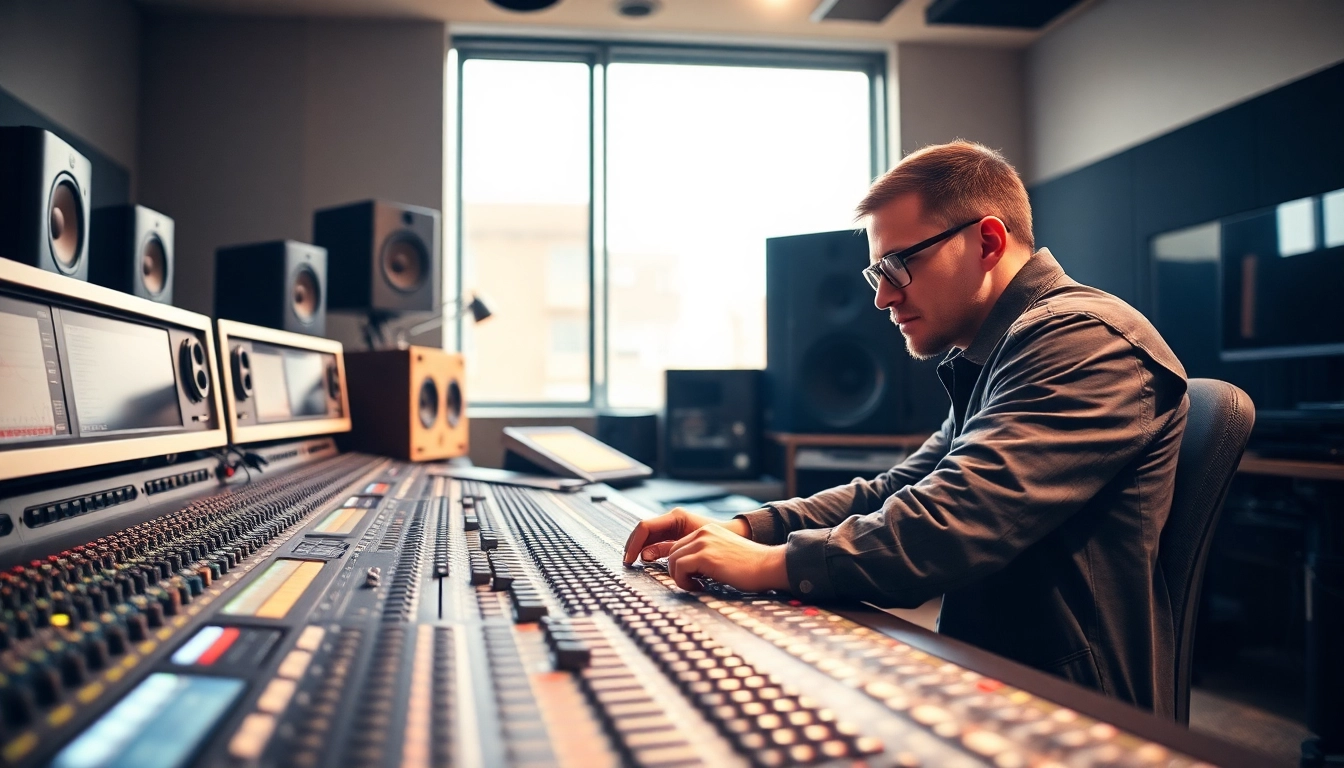
Understanding Online Audio Mastering
What is Online Audio Mastering?
Online audio mastering refers to the process of finalizing a music track remotely via the internet. This involves taking a mixed audio track and applying various processes to enhance its overall sound quality, ensuring that it meets industry standards for playback on various platforms, including streaming services, radio, and physical media. Unlike traditional methods that require studio time with a mastering engineer, artists now have the flexibility to utilize online services that allow them to upload their music files conveniently and receive mastered tracks within a specified timeframe. Online audio mastering has transformed how musicians and producers approach the final stage of music production, making it accessible to a wider audience while maintaining professional quality.
The Importance of Audio Mastering
Mastering is often underestimated in the music production process, yet it plays an essential role in ensuring that a track achieves its fullest potential. A well-mastered track will not only sound good on various systems but will also match the loudness and tonal characteristics required for commercial release. This process can enhance clarity, balance frequencies, and provide a cohesive sound to the entire album or single. Moreover, mastering can address issues that arise during mixing, like tonal imbalance or lack of dynamic range, making it a critical step for any serious musician or producer aiming for commercial success.
How Online Audio Mastering Works
The workflow for online audio mastering generally involves several straightforward steps:
- Submission: An artist or producer submits their mixed track through an online mastering platform, often accompanied by notes and instructions regarding the desired sound or any specific concerns.
- Mastering Process: The mastering engineer or automated software analyzes the track, applying various algorithms and techniques such as equalization, compression, and limiting.
- Review: Once the initial mastering is complete, the track is sent back to the client for review, allowing for feedback and revisions.
- Finalization: After any necessary adjustments, the final version is produced and delivered in the format requested by the client.
This streamlined process ensures that artists can achieve high-quality masters without the need to be physically present in a studio, significantly reducing both time and costs associated with traditional mastering.
Key Elements of the Audio Mastering Process
Essential Tools and Software for Mastering
The audio mastering process relies heavily on a variety of specialized tools and software. Here are some essential elements:
- Digital Audio Workstations (DAWs): Software like Pro Tools, Logic Pro, and Ableton Live allow mastering engineers to manipulate audio tracks with precision.
- Plugins: High-quality equalizers, compressors, limiters, and specialized mastering plugins help shape the final sound. Common examples include the Waves API Collection and iZotope Ozone.
- Monitoring Equipment: Accurate monitoring speakers and headphones are crucial to help engineers make informed decisions throughout the mastering process.
- Metering Tools: Tools that analyze loudness and frequency spectrum help ensure the track meets industry standards.
The combination of these tools enables mastering engineers to polish tracks and make them competitive in today’s music industry.
Common Mastering Techniques
Mastering techniques can vary depending on the genre and the desired outcome, but several common methods are widely applied:
- Equalization: Adjusting frequency levels helps tame any harshness or boost desirable sounds, providing balance across the spectrum.
- Compression: This technique smooths out dynamics, allowing softer parts to be heard better while controlling peaks in louder areas.
- Limiting: A mastering limiter ensures that the audio doesn’t clip, allowing engineers to achieve a competitive loudness without sacrificing clarity.
- Stereo Widening: Techniques for enhancing stereo spread can make a track sound larger and more immersive.
These techniques, when used effectively, contribute to a professional-grade master that translates well across various listening environments.
Listening Environments and Their Impact
The room where mastering takes place can significantly impact the quality of the final product. Mastering engineers often work in specially designed rooms with controlled acoustics to ensure that they hear a true representation of the sound. Factors influencing the listening environment include:
- Room Size: Smaller rooms can lead to bass buildup, while excessively large rooms can create uneven response.
- Acoustic Treatment: Sound-absorbing materials and diffusers help manage reflections and standing waves, leading to clearer sound.
- Speaker Placement: The positioning of monitors affects the listening experience, particularly in terms of stereo imaging and frequency response.
A monitored environment allows mastering engineers to make detailed adjustments that ensure the music translates well to everyday listening scenarios.
Choosing an Online Audio Mastering Service
Evaluating Service Providers
When selecting an online audio mastering service, several factors should be considered to ensure quality results:
- Experience: Look for providers with a proven track record and positive customer testimonials, indicating their expertise in mastering various genres.
- Sample Work: Many mastering services offer samples of previous work. Evaluating these can give you an idea of their sonic aesthetic and capabilities.
- Communication: A good service provider should offer support and be receptive to feedback, ensuring a collaborative mastering process.
Investing time in evaluating different online audio mastering services can yield better outcomes for your audio projects.
What to Look for in Quality Assurance
Quality assurance in online mastering is crucial for maintaining standards. Consider the following aspects:
- Clear Protocols: A reputable service should have defined processes for mastering, including thorough checks for audio quality before delivery.
- Revision Policies: Understanding the revision limits and policies can help you gauge whether the service is willing to accommodate your requests for changes.
- Final File Formats: Make sure the service can deliver files in the formats you require, such as WAV, MP3, or FLAC.
Being attentive to these quality assurance factors can significantly affect the overall satisfaction with the mastering service.
Cost Factors in Online Audio Mastering
The cost of online audio mastering can vary widely depending on multiple factors, including:
- Service Level: Premium services that offer detailed feedback and revisions will typically come at a higher price point.
- Turnaround Time: Rush services may incur additional costs, while standard turnarounds are usually more economical.
- Engineer's Expertise: The reputation and experience of the mastering engineer can influence pricing; established professionals may charge more for their services.
Understanding these cost factors can guide you toward selecting the best option according to your budget and project requirements.
Best Practices for Successful Mastering Projects
Preparing Your Tracks for Mastering
Proper preparation of your audio tracks can lead to more effective mastering outcomes.
- High-Quality Mixes: Ensure that your mixes are well-balanced and clear before sending them for mastering.
- Avoiding Clipping: Make sure there are no clipping issues in your mixes; peaks should be well-managed and below 0 dB.
- Provide Reference Tracks: Sending references can help the mastering engineer understand your desired sound and context.
By following these preparation steps, you can facilitate a smoother mastering workflow and achieve a superior final product.
Feedback and Revisions: Managing the Process
Effective communication is key during the feedback and revision stages of mastering. Here are some tips for managing this essential phase:
- Clear Feedback: Provide specific feedback regarding aspects of the mix that you feel require adjustments.
- Limit Revision Requests: Aim for a concise number of revisions to avoid extended timelines and extra costs.
- Trust the Engineer: Mastering engineers have expertise; trusting their professional judgement while discussing your needs can enhance the process.
By establishing a collaborative relationship with the mastering service, you can ensure that your vision is effectively realized.
Final Delivery Formats and Specifications
Understanding the various delivery formats and specifications for mastered tracks is crucial for ensuring compatibility across platforms:
- Standard Formats: Most mastered tracks are delivered in WAV or AIFF formats for high-quality needs, while MP3 may be used for digital distribution.
- Sample Rate and Bit Depth: Confirm the sample rate and bit depth that aligns with your project requirements. Typically, 44.1 kHz and 16-bit are standard for CD quality.
- Metadata Inclusion: Discuss with your mastering service about including metadata, which is vital for digital distribution.
Ensuring clarity on final delivery specifics will help you avoid compatibility issues and facilitate a smoother distribution process.
FAQs about Online Audio Mastering
What is the turnaround time for online audio mastering?
Turnaround times can vary by service, but typically range from one to three days for standard requests and can be expedited for an additional fee.
Can I master a track with different file formats?
Yes, mastering can be done regardless of file format. However, high-quality formats like WAV or AIFF are preferred for the best results.
How does online audio mastering differ from in-person mastering?
Online audio mastering allows for remote file uploads and communication, while in-person mastering requires physical presence in a studio for direct interaction with the engineer.
Is it necessary to master each track separately?
While it's common to master tracks individually, mastering them as a batch can help maintain consistent sound across an album or EP.
Will mastering improve the overall quality of my audio?
Yes, mastering enhances the sound quality, making your tracks more polished, coherent, and professionally competitive across various playback systems.